Supporting Energy Mapping for Greater Efficiency and Sustainability
Energy mapping – energikartlegging bedrift is a powerful tool used to track, analyze, and optimize energy use across various sectors. This process involves creating a visual representation of energy consumption and flows within a specific system, facility, or region. By identifying areas of high energy consumption and pinpointing inefficiencies, energy mapping helps organizations make informed decisions to reduce energy use, lower costs, and improve sustainability. The importance of energy mapping cannot be overstated, especially in a time where reducing carbon footprints and optimizing resource management have become critical priorities for businesses and governments alike.
Through energy mapping, energy experts can gain valuable insights into how energy is distributed and consumed. These maps are typically built using data from meters, sensors, and other monitoring devices that capture real-time usage patterns. This detailed approach allows for more precise interventions, ensuring that efforts to conserve energy are both targeted and effective. It can also reveal unexpected consumption spikes or inefficiencies, which would otherwise be difficult to identify. In many cases, energy mapping can help businesses significantly reduce operating costs while supporting environmental goals.
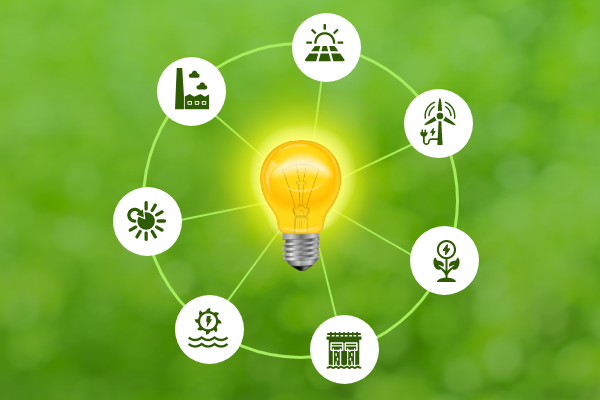
Support for energy mapping comes in the form of advanced technology, policy frameworks, and organizational commitment. Businesses can utilize energy management software that integrates with their existing systems, providing real-time data analysis and reporting. Government initiatives also play a crucial role, offering financial incentives or regulatory frameworks that encourage energy mapping practices. Furthermore, when employees are engaged and trained in the importance of energy efficiency, the benefits of energy mapping are amplified. Support from all levels of an organization ensures the successful implementation and continued optimization of energy strategies, contributing to a more sustainable future.
The growing importance of energy efficiency is pushing industries to embrace energy mapping as part of their overall sustainability strategy. With the right tools and support, energy mapping can be a catalyst for meaningful change. By identifying opportunities for improvement and continuously monitoring progress, organizations can drive reductions in energy consumption, lower costs, and significantly contribute to global sustainability goals.